
The Complete Guide to Car Rust Prevention DIY vs Professional Services

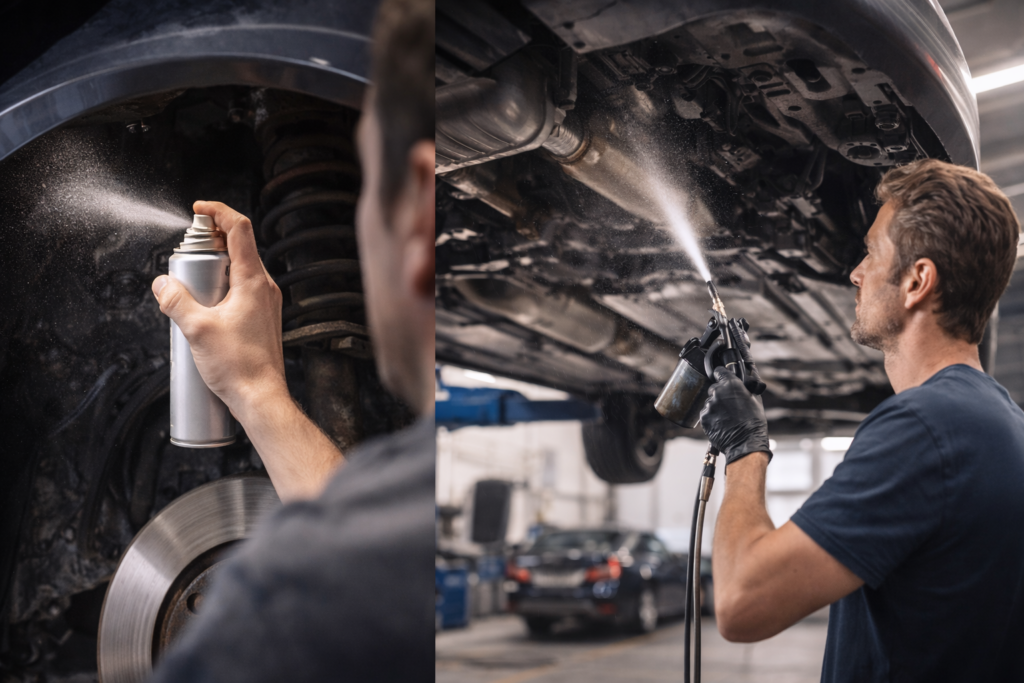
DIY vs. professional rust protection techniques header image

Rust is one of the most damaging long-term threats to any vehicle. Once corrosion starts, it can spread quietly beneath paint, inside seams, and underneath the chassis long before visible damage appears. Left untreated, rust can weaken structural components, reduce resale value, and lead to expensive repairs.

The good news is that rust is also one of the most preventable vehicle problems when addressed early with the right protection strategy.

This guide explains what causes rust, why prevention matters, and how to choose between DIY maintenance and professional rust-proofing solutions.

🛠️ What Causes Car Rust?

Rust forms when metal reacts with moisture and oxygen over time. Salt, humidity, and physical damage accelerate the process significantly.

Most vehicles leave the factory with basic corrosion protection, but these coatings gradually weaken—especially underneath the vehicle where road debris and moisture constantly collect.

⚠️ Common Rust Accelerators

  • Salt exposure: Road salt and coastal air dramatically increase corrosion speed
  • Humidity and rain: Moisture trapped in seams and wheel arches creates ideal rust conditions
  • Stone chips and scratches: Exposed bare metal can rust quickly
  • Mud and debris buildup: Dirt traps moisture against metal surfaces
  • Beach and off-road driving: Sand, salt, and water accelerate underbody corrosion

If you drive near coastal regions, this guide explains how corrosion develops and how to prevent it.

🚨 Where Rust Usually Starts First

Corrosion often begins in hidden areas before becoming visible externally.

Common rust-prone areas include:

  • wheel arches and inner guards
  • rocker panels and sills
  • underbody seams and floor joins
  • door bottoms and tailgate seams
  • chassis rails and suspension mounts
  • behind plastic trims and liners

These areas are especially vulnerable because they trap moisture, road grime, and salt.

You can also review these top rust-prone vehicle areas and protection tips.

✅ Why Rust Prevention Matters

1. Extend Vehicle Lifespan

A mechanically healthy vehicle can still become unsafe or uneconomical to repair if structural rust spreads too far.

Preventative rust protection helps preserve:

  • structural integrity
  • underbody components
  • suspension mounting points
  • chassis strength

2. Protect Safety-Critical Components

Rust can weaken:

  • brake lines
  • suspension mounts
  • subframes
  • structural supports

Severe corrosion may eventually affect braking, handling, and overall vehicle safety.

3. Preserve Resale Value

Visible rust and underbody corrosion significantly reduce buyer confidence.

Vehicles with well-maintained underbodies are generally:

  • easier to sell
  • worth more
  • less likely to fail inspections

Professional rust protection can also help increase long-term resale value. Learn more about how rust-proofing protects resale value.

4. Avoid Expensive Repairs

Rust repair often involves:

  • cutting and welding metal
  • repainting panels
  • replacing structural components
  • repairing hidden underbody damage

Preventative treatment is almost always far cheaper than repairing advanced corrosion later.

If corrosion is already visible, read how to detect car corrosion before it becomes expensive.

🔍 Signs Your Vehicle May Need Rust Protection

You should strongly consider rust-proofing if you:

  • live near the coast
  • drive in humid or wet environments
  • park outdoors regularly
  • drive on gravel or dirt roads
  • plan to keep the vehicle long-term
  • already notice early surface rust

🧴 DIY Rust Prevention vs Professional Rust-Proofing

🧼 DIY Rust Prevention

DIY rust prevention focuses on maintenance and early protection.

Common DIY methods include:

  • regular underbody washing
  • cleaning mud and salt buildup
  • touching up paint chips quickly
  • using anti-rust sprays
  • keeping drain holes clear

DIY methods can help slow early corrosion and are useful for ongoing maintenance.

These DIY rust prevention tips can help reduce long-term corrosion risks.

🛡️ Professional Rust-Proofing

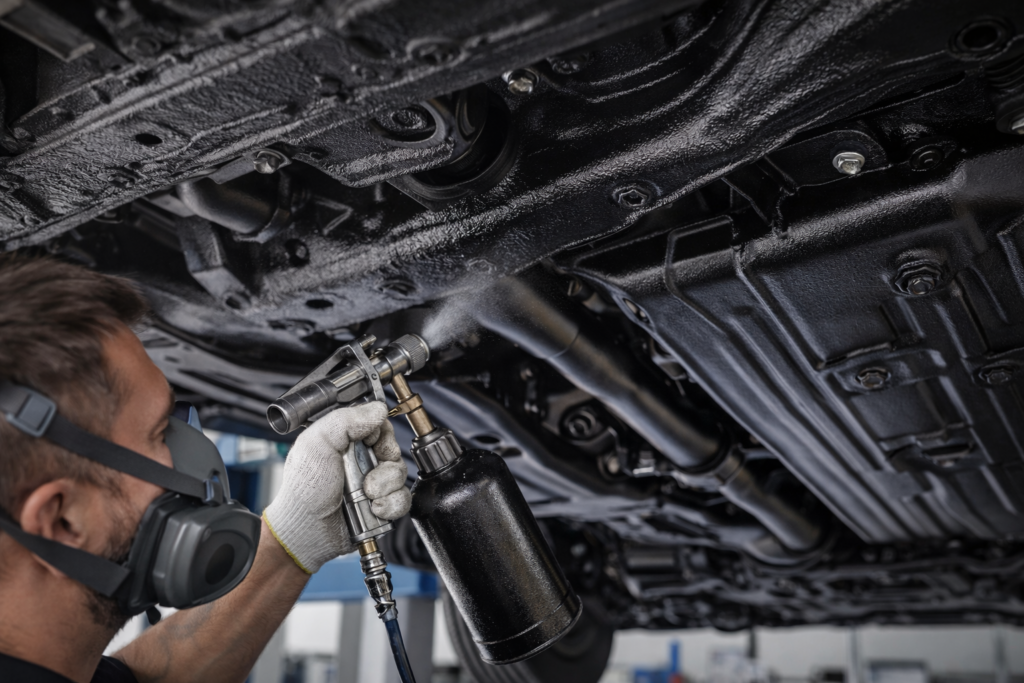
Professional rust-proofing treatments typically provide more complete protection by reaching hidden cavities and underbody sections that DIY methods often miss.

Professional services may include:

  • underbody coatings
  • oil-based cavity protection
  • seam and joint treatment
  • underbody cleaning and preparation
  • corrosion inspections

Professional applications are especially valuable for:

  • coastal vehicles
  • 4WDs and off-road vehicles
  • long-term ownership
  • high-value vehicles

If you’re comparing options, this guide explains professional rust-proofing vs DIY coatings.

🌧️ Best Time to Rust-Proof Your Vehicle

The best time to apply rust protection is before visible corrosion becomes severe.

Ideal times include:

  • when purchasing a newer vehicle
  • before wet or coastal seasons
  • before frequent off-road driving
  • after repairing existing rust damage

Early protection dramatically reduces long-term corrosion risks.

❄️ Final Thoughts

Rust prevention is one of the highest-value maintenance investments for long-term vehicle ownership. Whether you choose DIY maintenance, professional rust-proofing, or a combination of both, early protection helps preserve structural integrity, resale value, and long-term reliability.

The earlier rust protection starts, the easier and cheaper it is to prevent major corrosion problems later.

🛡️ Book Professional Rust Protection

If you want to protect your vehicle from costly corrosion damage, professional rust-proofing can help extend vehicle life and improve long-term reliability.

Visit SuperCool Southport for expert rust-proofing and corrosion protection services.

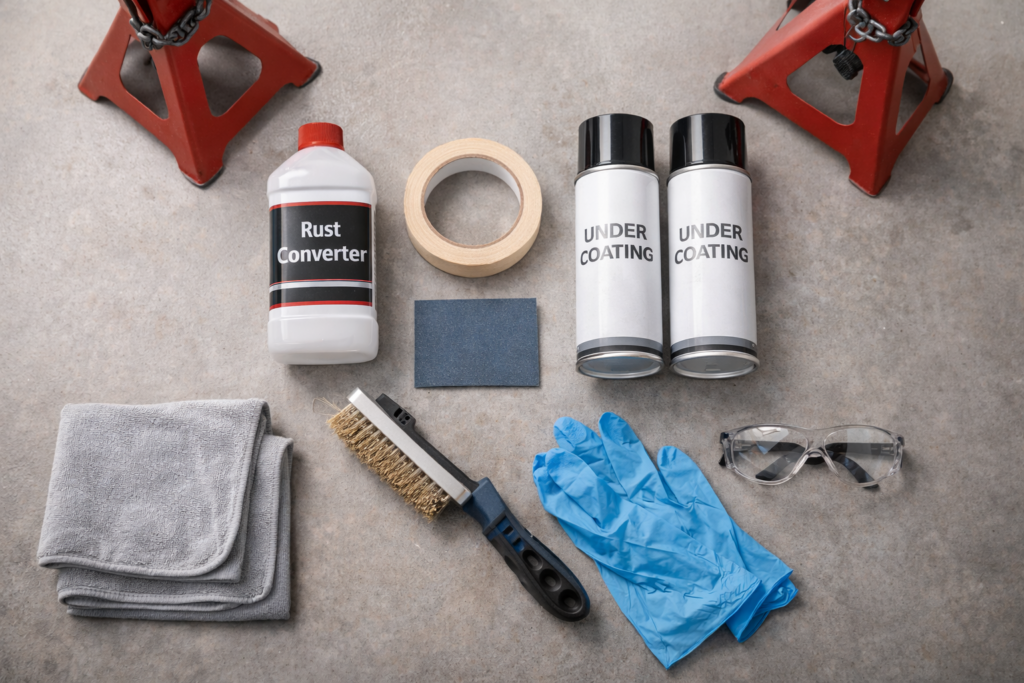
DIY rust prevention tools setup

🧰 DIY Rust Prevention: Pros & Cons (Expanded)

DIY rust prevention is a great option if you want a budget-friendly way to slow corrosion, especially if your car already has minor wear or you’re doing seasonal upkeep. It works best when rust is still minimal and you’re consistent with maintenance.

🔧 What It Involves (What you’re actually doing)

DIY rust prevention usually includes a mix of protective habits and targeted products:

  • Applying rust-proof sprays

    • Rubberised undercoating (creates a barrier underneath)

    • Oil-based sprays (creep into seams and crevices)

  • Touch-up paint for chips and scratches

    • Seals exposed metal before rust starts

  • Regular washing + waxing

    • Removes salt, grime, and moisture-holding debris

  • Mud flaps and wheel well liners

    • Reduces stone chips and underbody spray

✅ Pros (Why DIY works for many drivers)

  • Budget-friendly: Most products cost $20–$100 per application

  • Convenient: Do it at home, whenever it suits your schedule

  • Good early prevention: Ideal if you’re protecting a daily driver from minor exposure

  • Great for “spot protection”: Easy to treat high-risk zones like wheel arches and seams

❌ Cons (Where DIY falls short)

  • Hard-to-reach areas get missed

    • Inside doors, rocker panels, chassis rails, and internal cavities are where rust often begins

  • Shorter lifespan

    • Most DIY coatings wear off faster and require reapplication every 6–12 months

  • No warranty

    • If rust develops later, you’re on your own

  • Less effective in harsh environments

    • Coastal air, heavy rain/humidity, off-road mud, and salted roads can overwhelm DIY protection quickly

📌 Best for: Older cars, light prevention, low-risk environments, or owners who enjoy hands-on maintenance.

🏢 Professional Rust-Proofing Services: Pros & Cons (Expanded)

Professional rust-proofing is designed for maximum coverage, longer protection, and better results in harsh conditions. It’s especially valuable when you want real protection in places you can’t reach with DIY sprays.

🔧 What It Involves (What you’re paying for)

Professional services typically include:

  • Deep cleaning the underbody

    • Removes grime, salt residue, and moisture-trapping buildup

  • Professional-grade rust inhibitors

    • Dripless/oil-based treatments applied evenly with correct equipment

  • Cavity protection

    • Spraying inside:

      • door cavities

      • rocker panels

      • frame rails

      • seams and joins

  • Factory-grade sealants and undercoatings

    • Better bonding and more consistent coverage than most DIY options

  • Optional electronic rust modules

    • Popular, but results vary and they’re best seen as an “add-on,” not a replacement for physical protection

✅ Pros (Why professional rust-proofing is worth it)

  • Thorough, long-lasting protection

    • Especially underneath and inside hidden cavities

  • Better coverage in high-risk areas

    • Where rust starts first (seams, rails, joins)

  • Often includes warranty

    • Many shops provide multi-year protection plans

  • Ideal for harsh conditions

    • Coastal areas, high humidity, gravel roads, salted roads, 4WD use

  • Best for long-term ownership

    • If you plan to keep the car 3–10+ years, it’s a strong investment

❌ Cons (Trade-offs to be aware of)

  • Higher upfront cost

    • Usually $400–$1,000+, depending on vehicle size and product type

  • Requires time and scheduling

    • Appointment, drop-off, and sometimes curing/drying time

  • May require ongoing inspections

    • Some warranties need annual check-ups to stay valid

📌 Best for: New cars, 4WDs, coastal driving, long-term owners, and anyone who wants “set-and-forget” protection.

DIY vs Professional Rust Prevention: At a Glance (Expanded)

FeatureDIY Rust PreventionProfessional Rust-Proofing
CostLow ($20–$150)Higher ($400–$1,000+)
CoverageMostly visible/external areasFull-body incl. hidden cavities
LongevityShort-term (6–12 months)Long-term (2–10 years depending on product)
Skill LevelBasic tools + timeTrained technicians + proper equipment
WarrantyNoneOften includes multi-year coverage
Best ForOlder cars, light preventionNew cars, harsh environments, long-term protection

Simple takeaway

If you’re in a mild environment and want affordable upkeep, DIY can help.
But if you live near the coast, drive in humidity, do off-road/gravel, or want long-term results, professional rust-proofing is usually the smarter investment.

🕵️‍♂️ When Should You Choose DIY Rust Prevention?

DIY rust prevention can be a smart option if you want affordable protection and you’re comfortable doing basic vehicle upkeep yourself. It works best when you’re trying to slow down early corrosion and maintain a vehicle that isn’t constantly exposed to harsh conditions.

DIY rust prevention might be a good fit if:

✅ You’re on a tight budget

DIY products are relatively low-cost, and you can spread out the work over time. This is ideal if you’re trying to protect your car without committing to a larger upfront service fee.

✅ You live in a dry, low-rust-risk climate

If your vehicle isn’t regularly exposed to salty air, heavy rain, mud, or wet road grime, DIY prevention can be enough to keep rust under control—especially with regular washing and touch-ups.

✅ You enjoy doing your own car maintenance

If you already do things like detailing, basic repairs, or seasonal maintenance, rust prevention fits nicely into your routine. It’s also easier to stay consistent when you enjoy hands-on work.

✅ Your vehicle is older and already has minor surface rust

For older vehicles, DIY methods can be a practical way to:

  • slow surface rust spread

  • protect exposed areas

  • improve the condition of vulnerable zones
    without spending heavily on a car that may not need premium long-term protection.

📌 Best case for DIY: Light rust risk + consistent upkeep + you’re willing to reapply products regularly.

🛡️ When Is Professional Rust-Proofing Worth It?

Professional rust-proofing is the better choice when you want maximum coverage, longer-lasting results, and protection in areas DIY products often miss—especially inside seams and cavities where rust begins.

Professional services are a smart investment if:

🌊 You drive in coastal areas or salted winter roads

Salt is one of the fastest ways to accelerate corrosion. Coastal air and road salt stick to your underbody and creep into seams, making professional protection far more effective long-term.

🛻 You own a 4WD, ute, or off-road vehicle

Off-road driving exposes your vehicle to:

  • mud and water

  • sand and grit

  • stone chips and underbody impact

These conditions increase rust risk dramatically—especially underneath the car and inside hidden cavities.

🕒 You want long-term rust protection

Professional products and application methods generally last longer and provide better “set-and-forget” protection—especially when paired with inspections or scheduled top-ups.

🚘 You’re protecting a new or high-value car

Rust-proofing early helps preserve the car’s condition from day one, reducing the chance of corrosion forming in the first place.

📅 You plan to keep your vehicle for several years

If you plan to keep your car long-term, professional rust-proofing often pays for itself through:

  • fewer repairs

  • stronger resale value

  • better long-term reliability

📌 Best case for professional: High rust exposure + long-term ownership + maximum protection required.

Bonus: Rust Prevention Tips for Every Driver (DIY or Professional)

No matter which option you choose, these habits will dramatically reduce your rust risk:

🚿 Wash your car regularly

Especially after driving through:

  • salt air or coastal roads

  • mud and puddles

  • heavy rain

  • gravel or construction zones

Pro tip: Focus on the underbody and wheel arches—where grime builds up and stays damp.

🖌️ Repair paint chips and scratches immediately

Even a small stone chip can expose bare metal and trigger rust. A quick touch-up now can prevent a big repair later.

🕳️ Keep drain holes clear

Drain holes in doors and rocker panels allow water to escape. If they block up with dirt, moisture gets trapped and rust forms from the inside.

✨ Apply protective wax every few months

Wax adds a barrier against moisture and helps paint resist contamination, especially in humid or coastal environments.

🛞 Consider adding mudguards

Mudguards help reduce:

  • stone chips

  • underbody spray

  • grime buildup around wheel arches
    which are common rust hotspots.

Quick Recommendation Guide (Super Practical)

Choose DIY if:

  • you want low-cost prevention

  • your car is older and you’re doing basic upkeep

  • you’re happy to reapply protection regularly

Choose Professional Rust-Proofing if:

  • your car is new or valuable

  • you live in a coastal/high-humidity area (like the Gold Coast)

  • you drive on gravel, mud, or salted roads

  • you want long-term protection + warranty coverage

Final Thoughts

Rust prevention isn’t just for perfectionists — it’s a smart, money-saving step for every car owner. While DIY methods offer flexibility and affordability, professional rust-proofing delivers peace of mind and long-term protection, especially if your vehicle is exposed to harsh conditions.

If you’re serious about preserving your car’s value, safety, and lifespan, investing in professional rust protection may be one of the best decisions you’ll make.

🛠️ Get Expert Rust Protection on the Gold Coast

Looking for reliable, high-quality rust-proofing services in Queensland? Trust the experienced technicians at SuperCool Southport — offering industry-leading rust prevention, air conditioning, and vehicle protection solutions tailored to Australian conditions.

👉 Book your rust-proofing service today and drive worry-free tomorrow!

Gold Coast Services

Supercool Car Air Conditioning Š 2026 | Designed and developed by 123 Digital |Privacy Policy | Blog