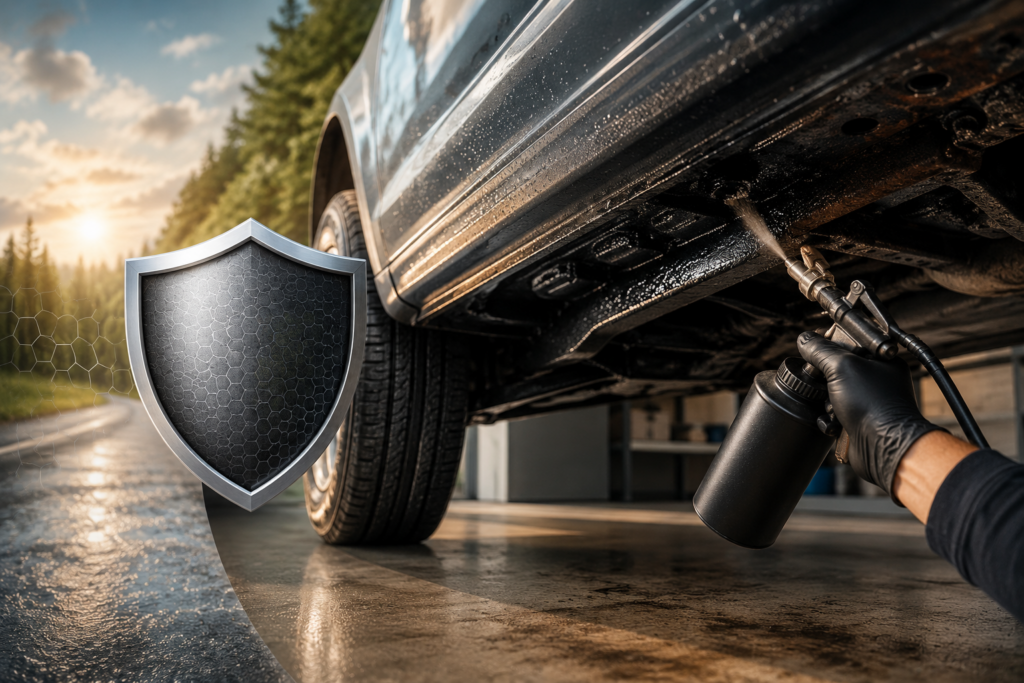
Rust is one of the most expensive yet preventable problems a vehicle owner can face. While modern cars are built with factory corrosion protection and many owners invest in aftermarket rust-proofing, these protective measures are not permanent. Exposure to rain, humidity, road salt, mud, coastal air, UV rays, and gravel can gradually weaken protective coatings, allowing corrosion to form over time.
The good news is that maintaining your car’s
rust protection doesn’t require complicated procedures or expensive equipment. With consistent cleaning, regular inspections, timely repairs, and periodic maintenance of protective coatings, you can extend your vehicle’s lifespan, improve resale value, and avoid costly structural repairs.
Whether you own a new car, a classic vehicle, an SUV, or a work truck, this comprehensive guide explains everything you need to know about maintaining rust protection for years.
Quick Answer: How Do You Maintain Your Car’s Rust Protection?
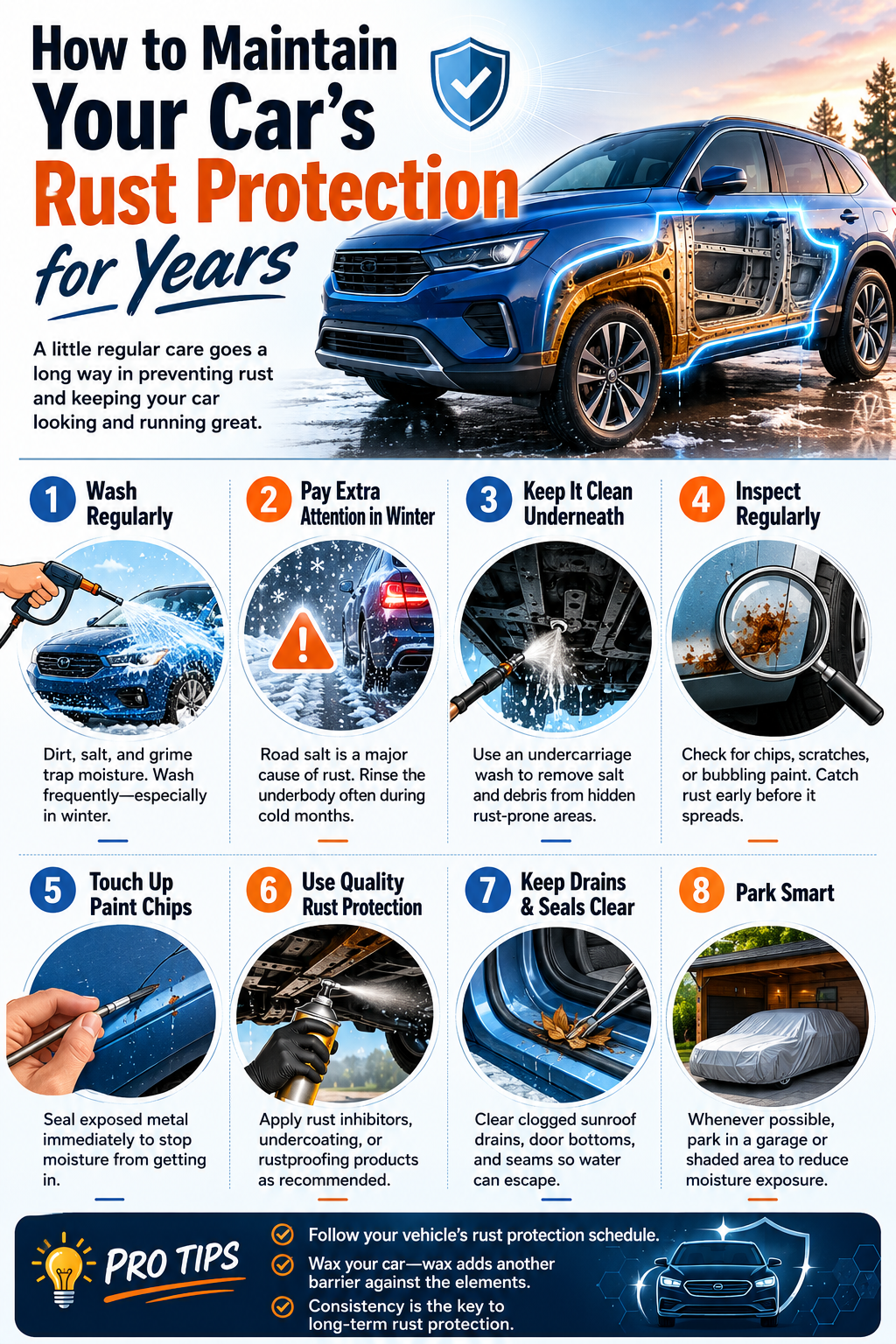
To maintain your car’s rust protection for years:
- Wash your vehicle regularly, especially during winter.
- Clean the undercarriage frequently.
- Repair paint chips immediately.
- Apply wax or ceramic protection every few months.
- Keep drainage holes clear.
- Inspect rust-prone areas regularly.
- Reapply rust-proof coatings when recommended.
- Schedule annual professional inspections.
- Keep the vehicle dry whenever possible.
- Address surface rust before it spreads.
Following these simple maintenance practices significantly reduces the risk of corrosion and helps preserve your vehicle’s structural integrity.
Why Rust Protection Requires Ongoing Maintenance
Many drivers mistakenly believe that rust-proofing is a one-time service. In reality, every protective coating experiences wear over time.
Several environmental factors slowly degrade protective barriers:
Moisture
Water is the primary catalyst for oxidation. When moisture reaches exposed metal, rust begins forming almost immediately.
Road Salt
Salt accelerates corrosion by increasing the electrical conductivity between water and metal, making oxidation occur much faster.
Dirt and Mud
Mud traps moisture against metal surfaces for extended periods, creating ideal conditions for corrosion.
Stone Chips
Small rocks can chip away paint and protective coatings, exposing bare steel.
UV Exposure
Sunlight slowly breaks down waxes, sealants, and certain protective coatings.
Temperature Changes
Repeated heating and cooling cause coatings to expand and contract, eventually creating tiny cracks where moisture can enter.
Without proper maintenance, these factors gradually reduce the effectiveness of rust protection.
Understanding How Rust Forms
Rust is a chemical reaction called oxidation.
It occurs when:
combine to form iron oxide.
Once rust starts, it doesn’t stop on its own.
Instead, corrosion spreads underneath paint and coatings, eventually weakening:
- Vehicle frame
- Suspension components
- Floor panels
- Brake lines
- Wheel wells
- Body panels
This is why early prevention is far less expensive than repairing advanced corrosion.
1. Wash Your Vehicle Regularly
Routine washing is one of the most effective ways to preserve rust protection.
Road grime, salt, bird droppings, tree sap, and industrial fallout all trap moisture against painted surfaces.
How Often Should You Wash?
| Driving Conditions |
Recommended Frequency |
| Normal weather |
Every 2–3 weeks |
| Rainy season |
Weekly |
| Winter with road salt |
Weekly |
| Coastal areas |
Every 1–2 weeks |
| Off-road driving |
After every trip |
Use automotive pH-balanced car shampoo rather than household detergents, which can strip protective waxes and sealants.
2. Never Ignore the Undercarriage
Nearly 70% of rust problems begin underneath the vehicle because this area experiences constant exposure to:
- Salt
- Water
- Gravel
- Sand
- Mud
- Chemicals
Unfortunately, the underbody is also the area most owners rarely inspect.
Clean These Areas
- Frame rails
- Suspension arms
- Wheel wells
- Fuel tank area
- Exhaust mounts
- Cross members
- Brake lines
Professional underbody cleaning once or twice a year is an excellent investment for vehicles driven in harsh climates.
3. Inspect Your Paint Every Month
Paint serves as your vehicle’s first defense against corrosion.
Even tiny chips can expose bare metal.
Perform a monthly inspection.
Look closely at:
- Hood
- Roof
- Front bumper
- Door edges
- Rocker panels
- Wheel arches
- Tailgate
Repair damage immediately using:
- Touch-up paint
- Primer
- Clear coat
The sooner the repair is made, the lower the chance of corrosion developing.
4. Apply Protective Wax or Ceramic Coating
Although wax is primarily associated with shine, it also serves as a sacrificial barrier that protects paint from contaminants.
Benefits include:
- Water beading
- UV protection
- Reduced dirt adhesion
- Easier cleaning
- Added gloss
Maintenance Schedule
| Protection Type |
Recommended Reapplication |
| Carnauba Wax |
Every 2–3 months |
| Synthetic Wax |
Every 4–6 months |
| Ceramic Spray |
Every 3–6 months |
| Professional Ceramic Coating |
Annual inspection with maintenance topper as recommended |
Remember, wax protects painted surfaces but does not replace dedicated rust-proofing products for hidden cavities or the underbody.
5. Keep Drainage Channels Clear
Modern vehicles include drainage channels in doors, rocker panels, sunroofs, and trunks to allow water to escape.
When these become clogged by dirt or leaves, moisture accumulates inside enclosed metal sections where rust can develop unnoticed.
Inspect drainage holes every few months and gently clear debris using compressed air or a soft plastic tool.
6. Protect the Underside After Every Winter
Winter is one of the harshest seasons for vehicles due to road salt and slush.
At the end of winter:
- Thoroughly wash the undercarriage.
- Inspect for chipped coatings.
- Check wheel wells.
- Examine suspension components.
- Remove accumulated salt deposits.
This post-winter inspection helps prevent corrosion from progressing during warmer months.
7. Reapply Rust-Proofing When Necessary
Different rust-proofing products have different maintenance requirements.
Oil-Based Rustproofing
Oil-based products penetrate seams and hidden cavities, making them effective for ongoing protection. Many manufacturers recommend regular inspections and periodic reapplication based on driving conditions and product specifications.
Wax-Based Rust Protection
Wax-based coatings create a moisture-resistant barrier that can last for several years under normal conditions. Periodic inspections help identify areas that may need touch-ups.
Rubberized Undercoating
Rubberized coatings protect against stone chips and road debris but should be checked for cracks, peeling, or impact damage that could expose metal.
Always follow the maintenance intervals recommended by the product manufacturer or the installer.
8. Keep Your Vehicle Dry
Moisture trapped inside or outside your vehicle encourages corrosion.
Simple habits include:
- Dry your vehicle after washing.
- Shake excess water from mirrors.
- Wipe door jambs.
- Dry weather seals.
- Remove wet floor mats.
- Improve garage ventilation if humidity is high.
These small steps reduce prolonged moisture exposure.
9. Store Your Vehicle Properly
Long-term storage requires additional rust prevention.
Before storing:
- Wash thoroughly.
- Dry completely.
- Apply wax.
- Inflate tires properly.
- Cover with a breathable car cover.
- Store in a dry, well-ventilated garage.
Avoid using plastic tarps, which can trap moisture against the vehicle.
10. Inspect Common Rust Hotspots
Some parts of every vehicle are naturally more vulnerable.
These include:
- Wheel arches
- Door bottoms
- Rocker panels
- Trunk seams
- Hood edges
- Fuel filler area
- Suspension mounts
- Brake lines
- Chassis rails
- Spare tire well
Inspect these areas every few months, especially after driving in harsh weather.
Professional technicians can identify early signs of corrosion hidden beneath trim panels, underbody shields, and coatings.
An annual inspection may include checking:
- Frame rails
- Suspension mounts
- Brake lines
- Weld seams
- Underbody coatings
- Drainage points
- Hidden cavities
Early detection can significantly reduce repair costs.
Common Mistakes That Shorten Rust Protection
Many vehicle owners unknowingly reduce the lifespan of their rust-proofing.
Avoid these common mistakes:
- Skipping regular car washes
- Ignoring paint chips
- Parking on wet grass for long periods
- Never cleaning the underbody
- Using harsh household cleaners
- Delaying rust repairs
- Assuming factory rust protection requires no maintenance
- Allowing leaves and debris to accumulate around drains
Small preventive actions today can help avoid extensive corrosion repairs later.
Seasonal Rust Protection Maintenance Checklist
| Season |
Recommended Maintenance |
| Spring |
Remove winter salt, inspect underbody, repair paint chips, apply wax |
| Summer |
Wash regularly, inspect coatings, clear drainage holes |
| Autumn |
Prepare for wet weather, inspect underbody, refresh protective coatings |
| Winter |
Wash weekly, rinse salt from the undercarriage, inspect after snow or heavy rain |
Frequently Asked Questions
How long does car rust protection last?
The lifespan depends on the type of rust-proofing used, environmental conditions, and how well it is maintained. Some treatments require regular maintenance or reapplication, while others may last several years with periodic inspections.
Is factory rust protection enough?
Factory corrosion protection offers a solid baseline, but vehicles driven in snowy regions,
coastal environments, or areas with high humidity often benefit from additional maintenance and supplemental rust-proofing.
Does washing remove rust-proofing?
Routine washing with automotive-safe cleaning products generally does not remove professionally applied rust protection. However, aggressive chemicals or improper high-pressure washing may reduce the lifespan of some coatings.
Should I wax a rust-proofed vehicle?
Yes. Wax helps protect painted surfaces from moisture, UV rays, and contaminants. While it complements rust protection, it does not replace specialized underbody or cavity treatments.
Early signs include paint bubbles, orange or brown discoloration, surface stains, flaking coatings, rough metal textures, and visible corrosion around seams or wheel arches.
Final Thoughts
Maintaining your car’s rust protection is one of the smartest long-term investments you can make as a vehicle owner. Regular washing, undercarriage cleaning, prompt paint repair, proper storage, and periodic inspections work together to preserve protective coatings and keep corrosion at bay.
Rather than viewing rust-proofing as a one-time treatment, think of it as an ongoing maintenance program. A proactive approach not only extends the life of your vehicle but also helps retain its appearance, safety, and resale value for years to come.
For local help on the Gold Coast, learn more about SuperCool Southport’s
car rust protection services or book an inspection with the Southport workshop.