

When it comes to vehicle maintenance, most drivers stay on top of the basics—oil changes, tyre rotations, brake pads, and battery checks. But rust-proofing is often ignored because it doesn’t feel urgent… until it is.
The problem is that rust doesn’t announce itself early. It starts quietly underneath the vehicle and inside seams, then spreads until it becomes expensive, unsafe, and hard to reverse. Rust-proofing isn’t just about appearance—it’s one of the most underrated ways to protect your car’s value, performance, and long-term reliability.
Here are 6 major benefits of rust-proofing that many owners overlook (but definitely shouldn’t).
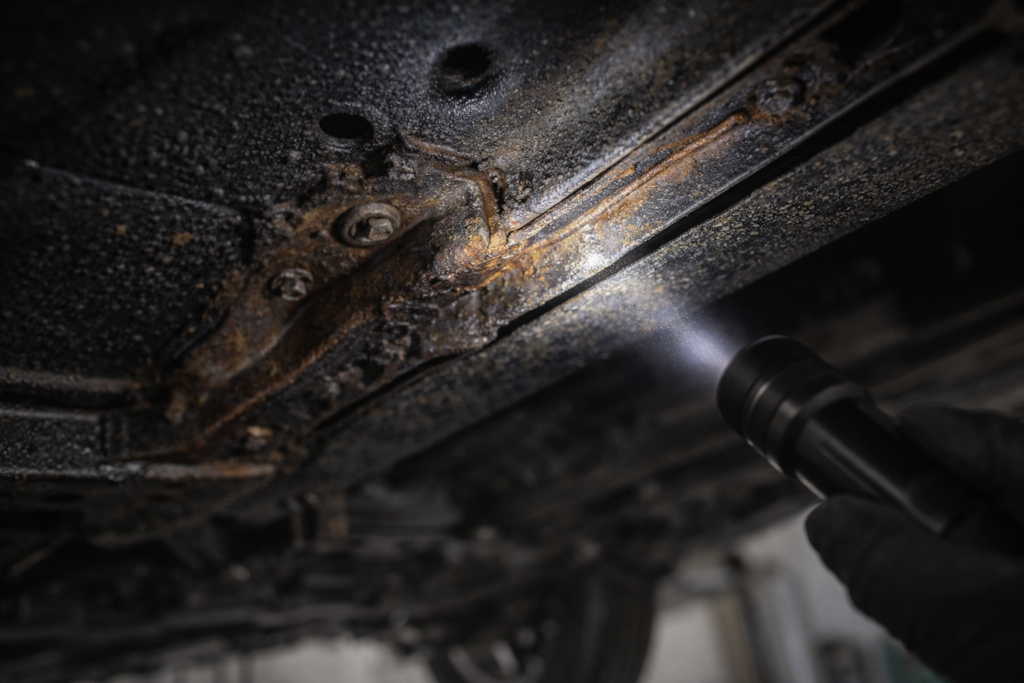
Most people associate rust with cosmetic issues—like bubbles on a fender or rust spots on the door edge. But the real danger is what you can’t easily see.
Rust can weaken or damage key safety-related parts such as:
Brake lines and fittings
Fuel lines and mounts
Suspension arms and mounting points
Steering components and subframe sections
Chassis rails and structural supports
Once corrosion reaches these areas, it can cause serious issues like:
reduced braking reliability
unstable handling
component failure under load
expensive labour due to seized bolts and broken fittings
📌 Ignored risk: Brake line corrosion can go unnoticed until braking performance suddenly drops—or fails entirely. By the time symptoms appear, the repair often becomes urgent.
Rust is one of the few car problems that gets worse even if you stop driving. Once it begins, it spreads under paint and into seams where moisture stays trapped.
Common rust repair costs can include:
body panel repairs: $800–$2,500+ per panel
underbody corrosion repairs: $1,500–$3,000+
rusted exhaust replacement: $500–$1,200
brake line replacement: $300–$800
Now compare that to prevention:
DIY rust-proofing: ~$50–$150
Professional rust-proofing: ~$300–$800
That’s a huge cost gap—especially when you consider that rust repairs often involve labour-heavy work like cutting, grinding, welding, repainting, and refinishing.
📌 Ignored fact: Rust is one of the most common reasons vehicles get retired early—not because the engine fails, but because corrosion makes repairs uneconomical.
Rust doesn’t just “sit there” and look ugly — it spreads, grows underneath coatings, and slowly eats away at the metal that keeps your vehicle safe and roadworthy. Even if you stay on top of oil changes, brakes, tires, and general servicing, rust can still end a vehicle’s usable life early because it attacks areas that are expensive (or impossible) to repair properly.
That’s why rust-proofing is one of the best long-term investments for extending vehicle lifespan, especially in climates where moisture, salt, and road grime are common.
Slows corrosion at the source by sealing exposed metal from moisture, oxygen, salt, and grime
Protects structural components like chassis rails, floor pans, subframes, seams, and mounting points
Reduces hidden “creep rust” that starts inside cavities and spreads under paint, seam sealer, and factory coatings
Prevents compounding mechanical damage, such as seized bolts, weakened brackets, corroded fasteners, and crumbling underbody edges
Keeps repairs manageable over time, instead of turning small issues into costly rust-related rebuilds
When rust spreads into structural areas, it doesn’t just make the car “look old” — it can cause inspection failures, unsafe handling, weakened crash protection, and major repair bills that exceed the vehicle’s value.
📌 Ignored reality: A clean, rust-free undercarriage can realistically add 3–5 extra years to a vehicle’s usable life, especially in coastal regions, humid climates, salted-road winters, and off-road environments, because the vehicle stays structurally sound and easier (and cheaper) to maintain.
Rust is one of the first things buyers and dealerships look for because it’s a red flag for hidden damage and future repair risk. Even minor rust spots — like bubbling paint, flaking undercoating, or surface corrosion on the underbody — can make a vehicle feel neglected and unreliable.
In many cases, rust doesn’t just reduce value a little… it causes buyers to walk away entirely.
Look cleaner during inspections (less underbody rust, fewer visible corrosion points)
Pass safety and roadworthy checks more easily, especially where corrosion is closely inspected
Create buyer confidence by reducing the “what’s hiding underneath?” concern
Avoid negotiation leverage, since rust is one of the easiest reasons to demand a discount
Keep trade-in offers higher, because dealers price rust into reconditioning costs and resale risk
Rust is one of the biggest reasons otherwise good vehicles get lowballed, because it signals:
future suspension and brake line issues
fastener seizure and expensive labor
structural weakness that’s hard to reverse
unpredictable hidden corrosion behind panels
📌 Ignored insight: Rust-proofing isn’t just maintenance — it’s value protection. You’re not only preventing repairs, you’re preserving the car’s perceived condition and reducing the buyer’s “risk discount” when it’s time to sell or trade in.
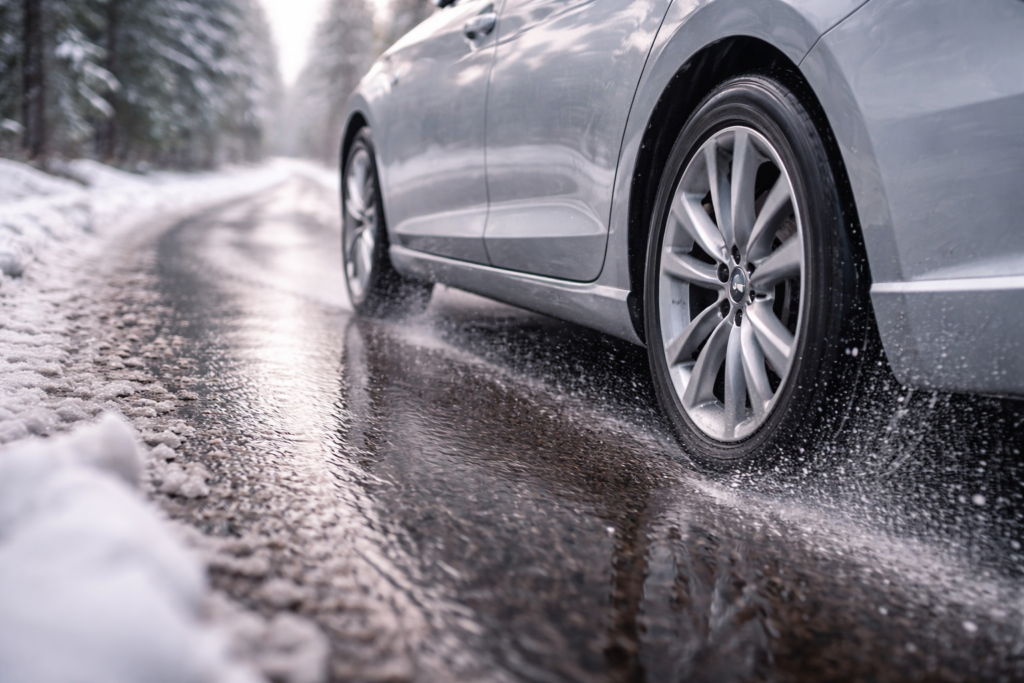
Some environments are basically rust factories. If your vehicle is exposed to salt air, wet roads, mud, snow, or gravel, the factory coatings underneath can get compromised faster than most people expect — especially in areas constantly blasted by road spray and debris.
If you live near the coast, drive in winter conditions, or regularly hit dirt roads, your vehicle is constantly exposed to corrosion triggers like:
Road salt and brine (winter maintenance chemicals that accelerate corrosion)
Coastal salt air (salt particles settle and hold moisture on metal)
Humidity and frequent rain (water exposure + slow drying = ideal rust conditions)
Mud and debris buildup (traps moisture against metal and seams)
Stone chips and gravel impacts (break paint and undercoating, exposing bare steel)
Rust-proofing works because it creates a protective barrier in the highest-risk zones, including the places factory coatings fail first.
Wheel wells and inner guards (high splashback + trapped debris)
Undercarriage seams and joins (moisture sits and creeps into gaps)
Door edges and door bottoms (drain zones that trap water and grime)
Rocker panels / sills (chips + dirt + moisture retention)
Frame rails and mounting points (structural zones exposed to road spray)
In harsh climates, rust often begins inside hidden cavities and seams, which is why many owners don’t notice a problem until corrosion has already spread.
📌 Ignored detail: In harsh conditions, even brand-new vehicles can start developing underbody and seam corrosion within 12–24 months if coatings get chipped or moisture stays trapped — because rust usually starts underneath and inside panels long before it becomes visible on the exterior.
One of the most overlooked benefits of rust-proofing your vehicle is the simple peace of mind it provides. When you know your undercarriage, seams, and hidden cavities are protected, you can drive through rainstorms, winter road salt, coastal air, and muddy conditions without constantly worrying about corrosion starting where you can’t see it.
That confidence matters because rust isn’t always obvious at first — it often begins underneath the vehicle, inside panels, or behind trim. Rust-proofing helps you feel more in control year-round, whether you commute daily or take your car on longer trips.
Protect during seasonal changes (wet months, humidity spikes, and winter conditions)
Reduce corrosion anxiety on road trips, especially when driving through coastal or high-rain areas
Minimize worry after off-roading or gravel driving, where chips and debris can expose metal fast
Keep your vehicle easier to maintain, since rust-related surprises become less likely over time
Support long-term ownership, especially if you plan to keep the car for many years
Many professional rust-proofing services also offer multi-year warranties, which adds another layer of confidence — you’re not just paying for a coating, you’re paying for long-term protection and accountability.
📌 Ignored benefit: Rust-proofing reduces long-term stress and maintenance anxiety, especially for long-term car owners who want their vehicle to stay reliable, safe, and structurally sound.
Rust starts quietly — beneath your car, inside seams, behind panels, and under paint or undercoating. By the time you notice bubbling paint or visible underbody flaking, corrosion has often already been spreading for a while.
That’s why proactive vehicle rust-proofing is one of the smartest (and most underappreciated) ways to protect your vehicle’s:
Structural integrity
Safety and roadworthiness
Resale and trade-in value
Long-term repair costs
If you want to keep your car in good condition for years — especially in coastal, wet, or salted-road environments — rust-proofing is a practical preventative step that pays off.
Protect your car’s performance, safety, and value with expert rust-proofing from SuperCool Southport. Serving the Gold Coast, their team provides long-lasting vehicle protection solutions designed to help you stay ahead of corrosion — before it turns into an expensive problem.
👉 Book your rust protection service today and drive with confidence tomorrow.
Supercool Car Air Conditioning © 2026 | Designed and developed by 123 Digital |Privacy Policy | Blog

No: AU01712