

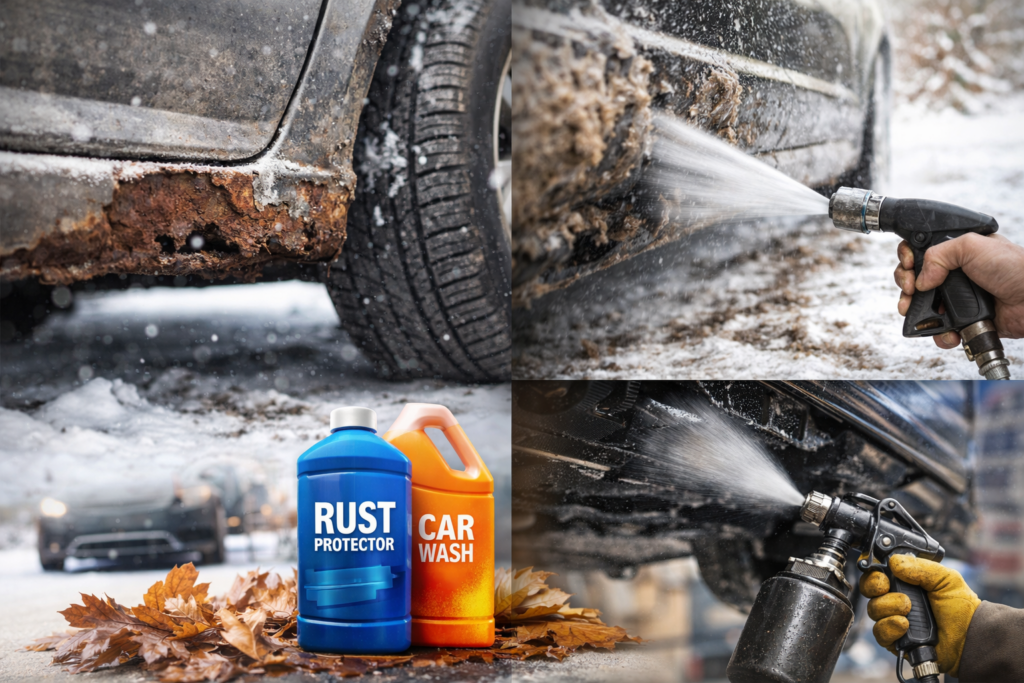
Australia’s climate can be particularly harsh on vehicles. Depending on where you live, your car may be exposed to coastal salt air, high humidity, prolonged rain, harsh sunlight, dust, mud, and even cold alpine conditions. Over time, these elements can wear down your car’s paint, weaken protective coatings, and create the perfect conditions for rust to develop.
Corrosion often starts quietly in areas that are easy to miss, such as the underbody, wheel arches, door seals, and drainage points. By the time rust becomes visible, damage may already be underway beneath the surface. That is why prevention is far more effective—and far less costly—than repair.
The best way to protect your vehicle is through consistent, season-based maintenance. By adjusting your car care routine throughout the year, you can reduce rust risk, protect your paintwork, maintain your vehicle’s appearance, and help preserve its long-term resale value.
Australian summers can be especially hard on your vehicle. Intense UV exposure, extreme temperatures, dry dust, sudden storms, and salt carried in coastal air all place stress on your car’s exterior. While summer conditions may not seem as rust-prone as wet weather, they can still set the stage for corrosion by damaging the paint and clear coat that protect the metal underneath.
Once paint begins to fade, crack, chip, or thin out, moisture and contaminants have a much easier path to exposed metal surfaces. This is why summer maintenance is about more than keeping your car looking clean—it is about preserving the protective barrier that helps prevent rust.
Wash your car regularly
Dust, bird droppings, tree sap, insect residue, and road grime can all cling to the paint and slowly break down protective finishes. Frequent washing helps remove these contaminants before they cause permanent damage. In hot weather, substances like bird droppings and sap can bake onto the surface quickly, making prompt cleaning even more important.
Apply wax or paint protection
A quality wax, paint sealant, or ceramic coating adds an extra layer of defence between your vehicle and the elements. These products help shield the surface from UV rays, grime, salt residue, and other contaminants while also making the car easier to clean.
Inspect for paint chips and scratches
Small chips and scratches might seem harmless, but they can expose bare metal to the environment. In coastal or humid areas, even minor paint damage can quickly become a starting point for corrosion. Touching up these areas early helps prevent rust before it begins.
Rinse coastal residue more often
If you live near the coast, salt in the air can settle on your car even if it rarely rains. Over time, this salty residue can cling to lower panels, the underbody, and around wheel arches. Rinsing these areas regularly is one of the best ways to reduce corrosion risk in coastal regions.
Pay attention to hidden build-up
Summer road trips, beach outings, and dusty rural drives can leave dirt and salt lodged in wheel wells, around mud flaps, and along lower body panels. These hidden deposits can trap moisture later, especially when weather changes.
Pro tip: UV exposure does not directly create rust, but it weakens your car’s first line of defence—its paint and protective coating. Once that barrier is compromised, rust becomes much more likely.
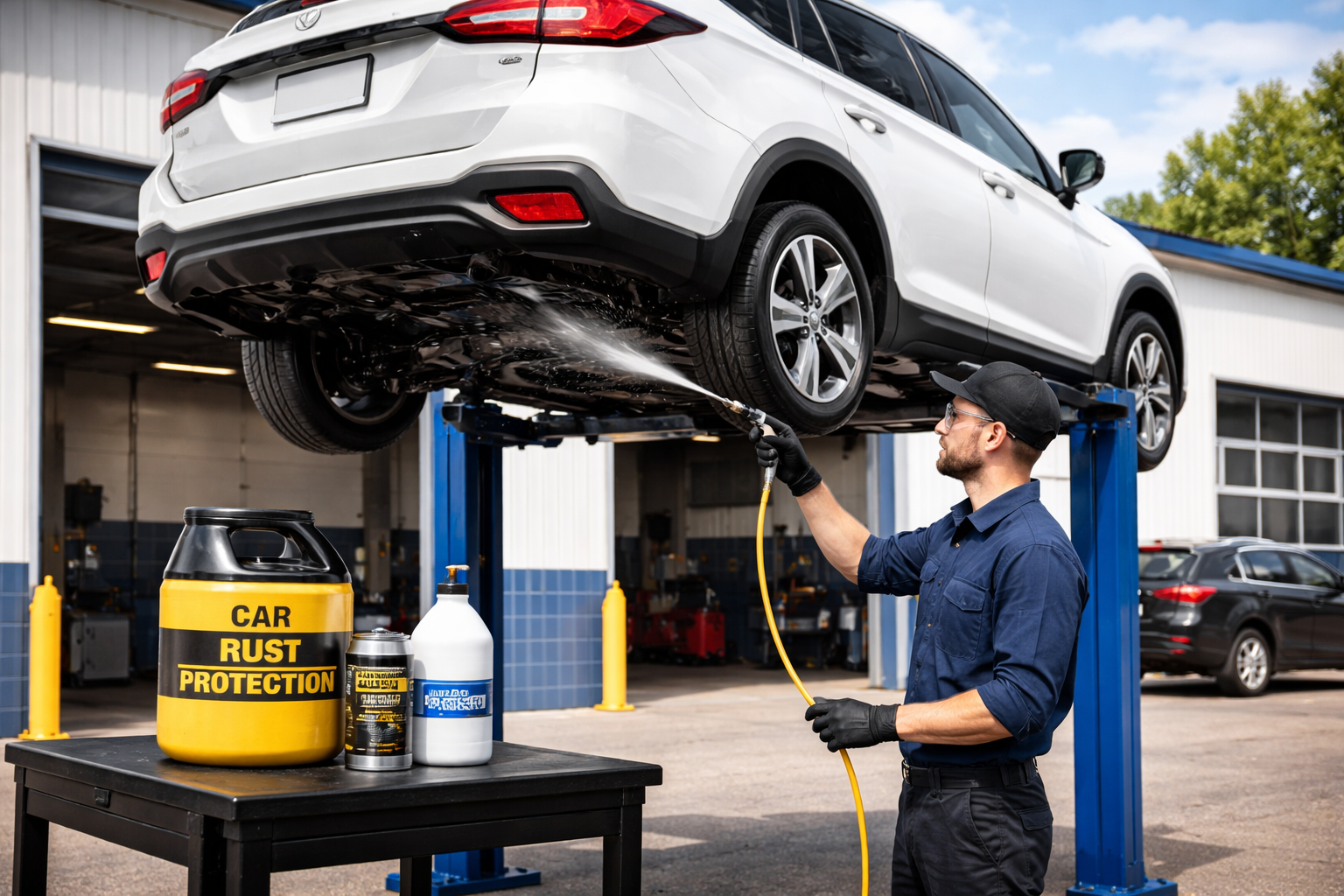
Autumn is one of the most important times of year for rust prevention. It is the ideal season to inspect, clean, and prepare your vehicle before wetter and colder conditions arrive. By taking action in autumn, you can address small issues early and reduce the chance of moisture becoming trapped in vulnerable areas over winter.
This is the season to be proactive. A thorough clean and inspection now can help stop minor surface damage from turning into costly corrosion later.
Deep-clean the vehicle
Give your car a more thorough wash than usual, with special attention to the underbody, wheel arches, side skirts, and lower panels. These areas often collect grime, road residue, and dirt that can hold moisture against the metal.
Clear leaves and debris from drainage points
Autumn leaves and organic debris can block important drainage areas such as the cowl, door drains, boot seals, and channels around windows. When these areas become clogged, water cannot escape properly and may sit in hidden spaces, encouraging rust from the inside out.
Inspect for early signs of corrosion
Look carefully at high-risk areas including door edges, sills, wheel arches, around the boot, and underneath the car. Bubbling paint, brown spots, flaky metal, or discolouration can all be early warning signs that rust is starting to form.
Check seals and trim
Rubber seals around doors, windows, and the boot can trap moisture if they are damaged or filled with dirt. Cleaning and checking these areas in autumn helps reduce the risk of water sitting where it should not.
Consider rust-proofing or underbody protection
Autumn is an excellent time to apply rust-proofing or underbody protection before winter exposure begins. This is particularly important for older vehicles, work utes, cars driven on unsealed roads, and vehicles in coastal or rural environments.
Why it matters: Trapped moisture, wet debris, and poor drainage can quietly accelerate rust formation during colder months. Preventive work in autumn helps reduce those risks before they build up.
Although much of Australia does not deal with snow or severe freezing conditions, winter still creates a higher risk of corrosion. Increased rain, muddy roads, damp mornings, and reduced drying time can leave moisture sitting on and inside the vehicle for longer periods.
In alpine parts of Victoria and New South Wales, conditions can be even tougher. Vehicles travelling through wet, dirty, or treated roads may be exposed to substances that increase wear on the underbody and other metal components. Even outside alpine areas, winter grime and standing moisture can contribute to rust if the vehicle is not cleaned and dried properly.
Wash your car frequently
During winter, it is important to wash off mud, road grime, and moisture-trapping debris on a regular basis. The underbody should be a major focus, as it is one of the first places corrosion can begin unnoticed.
Dry critical areas after rain or washing
Door jambs, boot seals, panel edges, fuel filler areas, and around hinges can all hold water after wet weather. Drying these areas helps reduce the chance of hidden rust forming in seams and folds.
Check drainage systems
Doors, panels, and body cavities are designed with drain holes that allow trapped water to escape. If those drains are blocked by dirt or debris, water may pool inside the structure of the vehicle. Regularly checking and clearing these drainage points can help prevent corrosion developing from within.
Clean thoroughly after alpine travel
If you drive to alpine regions, wash the vehicle as soon as practical after returning home. Moisture, mud, grit, and treated-road residue can cling to the underbody, wheel wells, and lower panels. Leaving it there for too long increases corrosion risk.
Inspect floor mats and cabin moisture
Winter moisture is not only an exterior issue. Wet shoes, damp carpets, or leaking seals can allow water to accumulate inside the cabin, which may eventually contribute to rust in hidden interior floor sections. Keep the interior dry and address leaks promptly.
Important: Moisture that lingers for long periods is one of the biggest causes of hidden rust. Winter conditions often slow evaporation, which is why regular cleaning and drying are so important during this season.
Spring is the ideal time to check what winter has left behind. After months of rain, damp conditions, and road grime, your vehicle may have developed minor paint damage, hidden contamination, or early signs of corrosion. A proper spring inspection helps you catch these issues before they worsen.
Spring is also a good time to restore protective layers and reset your maintenance routine for the year ahead.
Inspect the paintwork carefully
Look over the bonnet, roof, doors, lower panels, and around the boot for chips, scratches, fading, or bubbling paint. These are all signs that the protective surface may have been compromised.
Check high-risk rust areas
Pay close attention to wheel arches, lower door edges, sills, around the windscreen, under the boot lip, and the underside of the vehicle. These are common places for corrosion to begin.
Reapply wax, sealant or protective coating
Spring is a great time to refresh your vehicle’s protective barrier. Reapplying wax or sealant can help prepare the paintwork for stronger sun exposure and changing road conditions heading into warmer months.
Book a professional detail if needed
If grime has built up in hard-to-reach areas or the vehicle has been exposed to mud, coastal residue, or neglected drainage points, a professional detail can help remove contamination more thoroughly than a standard wash.
Touch up small damage early
If you find chips, scratches, or small rust spots, address them as soon as possible. Minor repairs are usually much cheaper and easier than waiting until corrosion spreads.
Tip: Spring is one of the best times to catch and correct early rust issues before they develop into larger, more expensive repairs.
Rust develops gradually, but Australia’s varied driving conditions can speed up the process if preventive care is ignored. A car parked near the beach faces different corrosion risks from one driven on inland country roads or through alpine regions, but the common issue is the same: environmental exposure slowly wears down the vehicle’s protection.
A seasonal car care routine helps you stay ahead of these risks by targeting the problems most likely to occur at different times of year. This approach does more than keep the car looking good—it helps protect important structural and cosmetic components over the long term.
Seasonal maintenance helps to:
For many Australian drivers, especially those in coastal, rural, wet, or alpine regions, seasonal rust prevention is not just cosmetic care. It is a practical part of long-term vehicle maintenance.
