

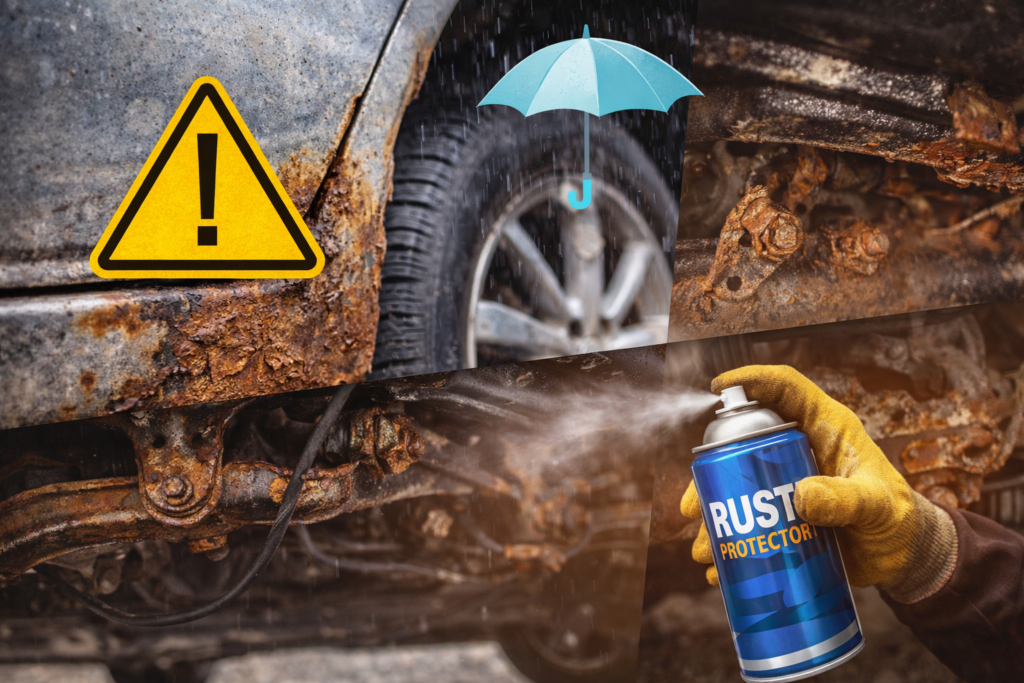
Car corrosion is one of the most underestimated threats to a vehicle’s lifespan, appearance, and resale value. It often begins as a small, barely noticeable issue—such as a tiny paint chip, trapped moisture, or minor surface rust—but if ignored, it can spread quickly and cause serious damage over time.
Unlike general wear and tear, corrosion can affect both the visible and hidden parts of a vehicle. It can damage body panels, weaken structural components, and lead to expensive repairs that are often far more difficult to fix once the problem has advanced. That is why understanding what causes car corrosion and how to prevent it is an important part of long-term vehicle care.
By taking early action and following simple preventive maintenance habits, car owners can reduce corrosion risk, protect their vehicle’s condition, and help preserve its value for years to come.
Car corrosion is the gradual breakdown of metal caused by chemical reactions between the metal surface and environmental elements such as oxygen, water, and salt. In most vehicles, this process eventually leads to rust, which is the most common and visible form of corrosion.
When protective layers such as paint, clear coat, sealant, or factory coatings are damaged or worn away, the metal underneath becomes more exposed to the elements. Once moisture and oxygen come into contact with bare or poorly protected metal, oxidation begins. Over time, this weakens the metal and can cause flaking, bubbling, discolouration, and structural deterioration.
Corrosion does not always start in obvious places. In many cases, it develops in hidden areas such as the underbody, door panels, wheel arches, drainage channels, and beneath rubber seals. This is why regular inspection and prevention are so important.
Many drivers think rust is mainly a cosmetic issue, but corrosion can have much wider consequences. If left untreated, it can affect the safety, reliability, and market value of the vehicle.
Car corrosion can lead to:
The earlier corrosion is detected, the easier and more affordable it is to control.
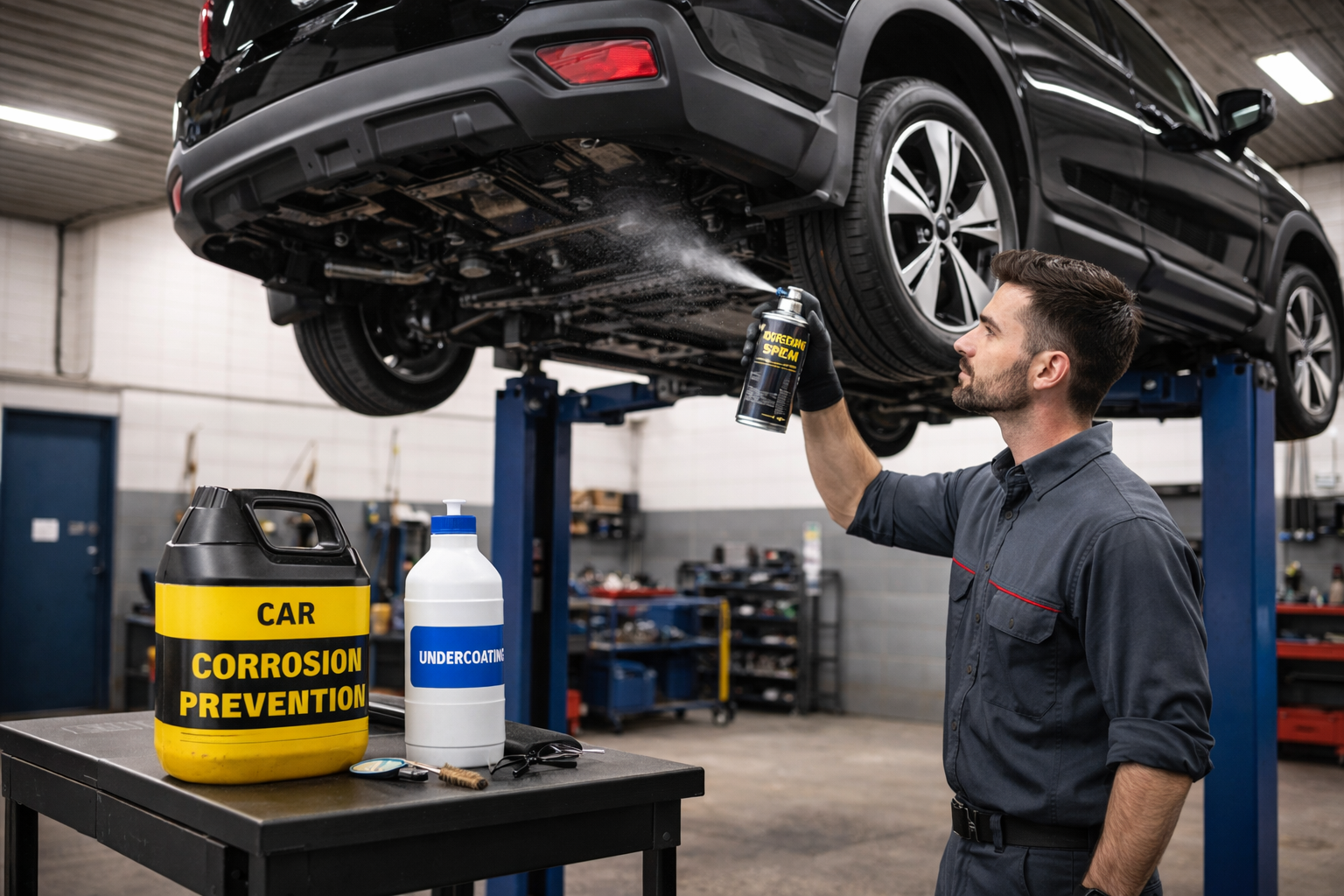
Understanding the main causes of corrosion can help you take the right preventive steps before damage starts.
Water is one of the biggest contributors to rust formation. Rain, puddles, condensation, humidity, and even morning dew can all create conditions that allow corrosion to begin. If moisture remains on metal surfaces for extended periods—especially in hidden or poorly ventilated areas—the risk of rust increases significantly.
Cars are particularly vulnerable when water becomes trapped in seams, around seals, inside door panels, or underneath the vehicle where it is harder to notice and remove.
Salt is one of the most aggressive accelerators of corrosion. It speeds up the chemical reaction between metal and moisture, causing rust to form faster than it normally would.
Common sources of salt exposure include:
Even if salt is not visible, it can remain on the vehicle and continue contributing to corrosion unless it is washed off properly.
Mud, dust, leaves, and road grime may seem harmless, but they can trap moisture against the surface of your car and create the ideal environment for corrosion. This is especially true in wheel arches, underbody sections, drainage points, and around seals where dirt tends to collect.
When debris is left in place for too long, it holds water against the metal and makes it more difficult for vulnerable areas to dry out properly.
Paint is one of your vehicle’s first lines of defence against corrosion. When the paint surface is chipped, scratched, cracked, or dented, bare metal may be exposed to air and moisture. Once that happens, rust can begin surprisingly quickly, particularly in humid or coastal conditions.
Even a small stone chip on the bonnet or around a door edge can become a starting point for corrosion if it is left untreated.
Modern vehicles are designed with drainage holes and channels that allow water to escape from doors, panels, the boot, and other enclosed sections. If these drainage points become blocked by dirt, leaves, or debris, water can accumulate internally and cause hidden rust from the inside out.
Poor drainage is particularly dangerous because the damage may not be visible until bubbling paint or more advanced corrosion appears on the outside.
Although rust can develop almost anywhere if conditions are right, some parts of the car are especially vulnerable.
Understanding the different types of car corrosion can help you identify problems early and take the right action before damage becomes severe. Not all rust is the same—some forms are easier to fix, while others can compromise your vehicle’s structure.
Surface rust is the earliest and least severe stage of corrosion. It usually appears when the paint or protective coating has been slightly damaged, exposing the metal underneath.
What to do: Clean the area, sand lightly if needed, and apply touch-up paint or protective coating to prevent it from spreading.
Scale rust develops when corrosion is left untreated and begins to penetrate deeper into the metal. At this stage, the damage is more visible and begins to affect the surface condition.
What to do: This usually requires more extensive repair, including sanding, rust treatment, and repainting to stop further damage.
Penetrating rust is the most advanced and serious form of corrosion. It occurs when rust has eaten through the metal, creating holes and significantly weakening the structure.
What to do: Professional repair or part replacement is usually required. In severe cases, the damage may not be fully reversible.
Certain parts of your vehicle are more exposed to moisture, dirt, and debris, making them more prone to corrosion.
Regular inspection of these areas can help you detect early signs of rust before they worsen.
Preventing rust is much easier—and more affordable—than repairing it. A consistent maintenance routine can significantly reduce corrosion risk.
Keeping your car clean removes dirt, salt, and grime that can trap moisture.
Moisture is the main trigger for corrosion, so drying your car is just as important as washing it.
Paint acts as a protective barrier. Once it is damaged, rust can begin quickly.
Adding an extra layer of protection helps shield your car from environmental exposure.
Professional rust-proofing provides additional protection, especially for vulnerable areas.
Blocked drainage can lead to hidden rust inside panels.
Reducing exposure to the elements can significantly slow corrosion.
Early detection is key to preventing serious damage. Keep an eye out for:
Addressing these signs early can save you from more extensive repairs later.
Ignoring corrosion can lead to more than just cosmetic issues. Over time, rust can affect the safety, reliability, and value of your vehicle.
Corrosion can result in:
Preventive maintenance is always more affordable and effective than repairing advanced rust damage.
Car corrosion may be inevitable over time, but it is largely controllable with the right approach. Regular cleaning, prompt repairs, and protective treatments can significantly slow the process and keep your vehicle in excellent condition.
Think of corrosion prevention as an ongoing habit rather than a one-time fix. By staying proactive, you can extend your car’s lifespan, maintain its appearance, and protect its long-term value.
A little effort today can save you from costly repairs—and keep your car reliable and road-ready for years to come.
Want long-lasting protection against rust and corrosion? Professional rust-proofing services can help safeguard your vehicle’s most vulnerable areas and keep it in top condition.
Visit https://supercool-southport.com.au/ to learn more about expert rust prevention solutions and protect your car for the long term.
