

Add Your Heading Text Here

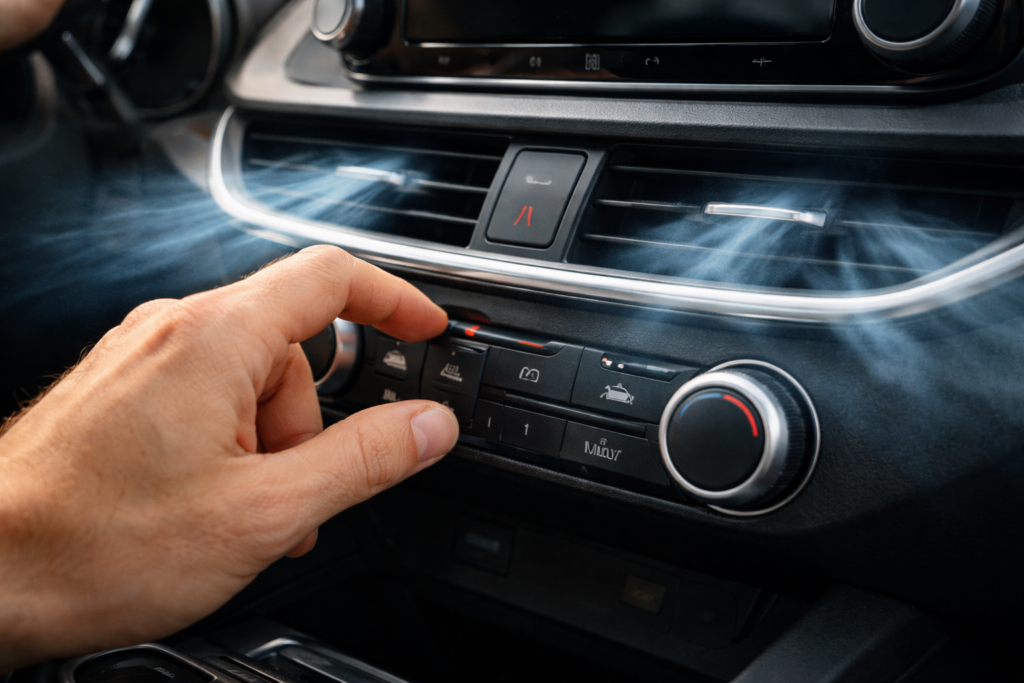
Summer drive through sunny highways header image

As temperatures rise, your car’s air conditioning system becomes your best friend. But if your AC isn’t cooling like it used to, you’re not just uncomfortable — you may also be wasting fuel, overworking your compressor, and putting extra strain on the entire cooling system.

Many drivers assume their AC is either “working” or “not working,” but in reality, most systems lose efficiency gradually. You might notice things like:

  • It takes longer to cool the cabin

  • The air feels cool at first, then turns warmer in traffic

  • You need to run the fan higher than usual

  • There’s a musty smell when you turn it on

  • It cools fine on the highway but struggles at idle

The good news is that improving car AC efficiency doesn’t always require expensive repairs. A few smart driving habits and simple maintenance steps can help your AC cool faster, run smoother, and last longer—especially during peak summer heat.

Below are expert-backed tips to help you boost your car AC performance, reduce strain on your vehicle, and keep every summer drive comfortably cool.

🔧 1. Use Recirculation Mode (The Right Way)

✅ Why it works

Recirculation mode reuses air already inside your cabin instead of pulling in hot outside air. That means the AC system is cooling air that’s already “partway there,” which improves efficiency.

This helps:

  • Cool the cabin faster

  • Reduce the load on the compressor

  • Improve vent temperature consistency

  • Lower fuel usage compared to constantly cooling hot outside air

💡 Pro tip

Recirculation works best after you purge the hottest air first.

Best method:

  1. Start with fresh air mode briefly

  2. Let the fan push hot air out

  3. Switch to recirculation once the cabin begins cooling

⚠️ Avoid this common mistake

Leaving recirculation on for very long periods without fresh air can make the cabin feel stale and may increase window fogging in humid conditions.

Simple fix: Switch back to fresh air for 1–2 minutes occasionally.

🌬️ 2. Don’t Pre-Cool the Car While Parked (Idling Wastes Fuel)

✅ Why it works

Many drivers start the car and let it idle with the AC on, hoping the cabin cools down quickly. But in most vehicles, AC performance improves when:

  • the engine is running smoothly (not just idling)

  • airflow across the condenser increases (moving air cools better)

At idle, the AC can be slower and less efficient, meaning:

  • longer cool-down time

  • more fuel burned

  • extra strain on the system during peak heat

💡 Pro tip

Instead of idling, do this:

The fastest cool-down method:

  1. Start the car

  2. Roll windows down for 20–60 seconds while you begin driving

  3. Turn AC on max cool, fan high

  4. Switch to recirculation once the cabin starts dropping in temperature

Bonus tip (fast comfort)

Aim vents toward your upper body at first. Once the cabin cools, redirect airflow to spread cooling evenly.

🚘 3. Park Smart to Reduce Cabin Heat (Make Cooling Easier)

✅ Why it works

Your AC system has to fight the temperature already trapped inside your car. If your cabin starts at “oven level,” your AC has to work harder and longer to catch up.

Reducing cabin heat before you even start driving means:

  • faster comfort

  • less compressor strain

  • improved efficiency

  • reduced risk of AC performance dropping in traffic

💡 Tips to reduce heat buildup

  • Park in shade whenever possible

  • Use a windshield sunshade (big impact for dashboards and steering wheels)

  • Use legal tinting to reduce radiant heat

  • If safe, crack windows slightly while parked (even a small gap helps vent heat)

Extra summer hack

If your steering wheel and seats are burning hot, turn the fan on without AC for a moment first to push heat out—then switch to full AC + recirculation.

🧼 4. Clean or Replace Your Cabin Air Filter (Quickest Performance Boost)

✅ Why it matters

A dirty cabin air filter restricts airflow. That means even if your AC is producing cold air, it can’t deliver enough of it into the cabin.

Symptoms of a clogged filter include:

  • weak airflow even on max fan

  • slow cooling

  • “stuffy” air inside the cabin

  • foggy windows taking longer to clear

  • musty smells when AC starts

💡 Pro tip

Replace your cabin air filter every 12,000–15,000 km, or sooner if you:

  • drive in dusty areas

  • park under trees (leaves/debris clog filters fast)

  • sit in traffic often

  • have allergies or notice odors

Bonus tip

If airflow suddenly improves after changing the filter, your AC may have been fine all along—your airflow was the real problem.

🛢️ 5. Check Refrigerant Levels (Low Gas = Low Cooling)

✅ Why it matters

Refrigerant is what allows your AC system to remove heat from the cabin. If refrigerant is low, you’ll usually notice:

  • AC blowing “cool-ish” but not cold

  • longer cool-down times

  • cold while driving, warmer at idle

  • inconsistent performance on hot days

Low refrigerant also increases the risk of compressor wear because the system can run at abnormal pressure levels.

💡 What to do

  • Have refrigerant levels checked once a year, ideally before summer

  • If refrigerant is low, ask for a leak inspection

    • refrigerant doesn’t “run out” under normal conditions

    • repeated re-gassing without fixing leaks is usually temporary

⚠️ Avoid DIY top-up kits

DIY kits can cause:

  • overcharging (too much refrigerant = higher pressure and poor cooling)

  • incorrect refrigerant type

  • damage to seals or compressor

  • misleading “pressure readings” that don’t reflect proper system charge

Best practice: Always use a certified automotive AC technician for refrigerant handling.

🔄 6. Run the AC Regularly (Even in Winter)

✅ Why it helps

Most drivers only use their air conditioning in summer, but your AC system is designed to run year-round. When it sits unused for months, seals can dry out and internal components may not stay properly lubricated—raising the chance of leaks, weak cooling, and musty smells later on.

Running the AC regularly helps to:

  • Keep seals and O-rings lubricated (reducing leak risk)

  • Maintain healthy system pressure

  • Circulate oil through the compressor and hoses

  • Prevent moisture from lingering in the system and causing odors

Even during winter, your AC system plays a role in keeping the cabin comfortable and windows clear—especially in humid or rainy conditions.

💡 Pro Tip

Run the AC for 10 minutes once a week, even during cooler months. For best results:

  • Turn the temperature to cold

  • Use a high fan speed

  • Then switch to defrost mode for a few minutes to remove moisture from the cabin air

Bonus benefit: This habit helps reduce foggy windows and keeps your system ready for peak summer heat.

💧 7. Keep the Condenser Clean

✅ Why it helps

Your AC condenser sits at the front of the vehicle (usually in front of the radiator), and its job is to release heat from the refrigerant. If it gets blocked by:

  • dirt and road grime

  • bugs and leaves

  • mud and debris

…it can’t release heat efficiently. That forces the AC system to work harder, which can lead to:

  • slower cooling

  • warmer vent temperatures

  • reduced performance at idle

  • increased strain on the compressor

This is one of the most common reasons drivers notice their AC is “okay on the highway” but weak in traffic.

💡 How to clean it

You can gently maintain the condenser at home by:

  • rinsing the front grille area with a light water spray

  • removing visible leaves or debris carefully

  • avoiding high-pressure water (which can bend fins)

For a deeper clean, many drivers prefer having it checked during routine servicing, where a mechanic can inspect for:

  • blocked fins

  • damage from stones

  • airflow restrictions

  • fan performance issues

Pro reminder: A clean condenser = better heat transfer = colder air inside the cabin.

🔍 8. Look Out for Warning Signs (Don’t Ignore Them)

Even small AC issues can snowball into bigger repairs if left too long—especially during summer when your system is working at full capacity.

🚩 Common warning signs

If you notice any of the following, your AC may be underperforming:

  • AC blows warm air or struggles to cool

  • Unusual noises when AC is on (clicking, squealing, rattling)

  • Moisture or fog inside the cabin that won’t clear easily

  • Musty or sour odors from the vents

  • Weak airflow, even on high fan speed

  • Cooling fades when stopped in traffic

What these symptoms often mean

  • Warm air can point to low refrigerant, airflow issues, or compressor problems

  • Bad smells often come from moisture buildup and bacteria/mold

  • Weak airflow is commonly a clogged cabin filter or blower issue

  • Noises can indicate a worn belt, blower debris, or compressor strain

Best move: Book a service early. Catching issues early is usually faster, cheaper, and prevents breakdowns during heatwaves.

Final Thoughts: Keep It Cool, Keep It Efficient

Your car’s AC system is essential for summer comfort, but it only performs at its best with the right usage and regular maintenance. By following the steps above, you’ll:

  • Cool your cabin faster

  • Extend the life of key AC components

  • Improve efficiency and reduce fuel waste

  • Avoid surprise breakdowns during hot weather

  • Enjoy a safer, more comfortable drive all summer long

A little preventative care goes a long way—especially before peak summer heat hits.

🔧 Need Professional Car AC Service?

If your car AC isn’t cooling as it should—or you want a full system efficiency check before summer—trust the experts at SuperCool Southport. With decades of experience in automotive air conditioning, they can diagnose issues early, restore cold performance fast, and make sure your system is running at peak efficiency right when you need it most.

👉 Visit https://supercool-southport.com.au/ to book your inspection or service today.

Gold Coast Services

Supercool Car Air Conditioning © 2026 | Designed and developed by 123 Digital |Privacy Policy | Blog